Increase EIFS Durability with High Impact Mesh
Insulating your home with EIFS is a huge investment in not only the comfort of your home, but the value of it. The comfort of not having drafty rooms that you or your children have to sleep in can’t be measured in dollars. In measurable terms of value however, the insulation that is added reduces heating and cooling bills – money that is never recovered once spent, and the aesthetics can have a large impact on resale value. Like all investments, you want to make sure that it’s insured against accidental damage.
While there aren’t any official insurance policies that will cover dents and holes in EIFS, there are investments you can make to increase it’s durability. The least expensive investment with the most return-on-investment is adding a layer of high impact mesh to the project.
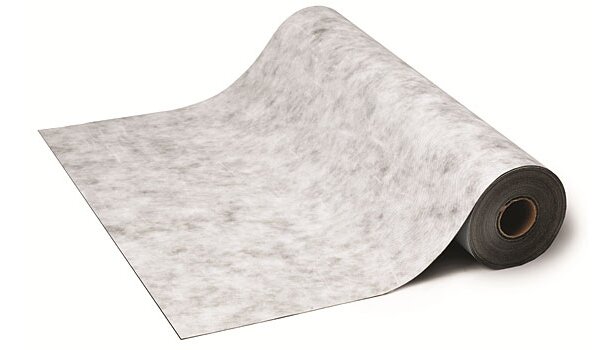
There are varying grades of fiberglass mesh that can be used on your home, measured by weight per square yard. Heavier weight mesh (11 oz and 15 oz) will be more impact resistant than lower weight mesh (5 oz).
EIFS normally incorporates a layer of (5 oz) mesh, applied over top of the insulation and embedded in the cementitious coating. While this mandatory protective layer will protect against normal impact, things like screwdrivers, baseball bats or wheelbarrows can still break through the finish coat, base coat and mesh and leave torn mesh and exposed styrofoam. EIFS manufacturers therefore recommend a heavier mesh (11 oz or 15 oz) in areas that might need additional impact resistance – typically around doors, driveways, walkways or where children might play.

The high impact mesh is more expensive than standard mesh because there is extra material – it is a higher quality than regular mesh. The two ways of adding high impact mesh are:
- Replace the layer of standard mesh with a heavier duty mesh during installation; or
- Add another layer of high impact mesh embedded in base coat on top of the first layer of standard mesh
Your contractor will usually have a preferred method of doing high impact mesh, though the choice of how resilient your walls should be will ultimately be yours in the end. If adding another layer of high impact mesh instead of substituting, a day will need to be added to the installation time (24 hours is required for each layer of base coat to dry before installing the next layer).
The Figures
So why invest in high impact mesh? To prevent having to repair a wall. It’s expensive. EIFS can be patched, but because a finish coat changes over time, the patch will never look like the original installation of the wall. Patches will cost $500-$750 to have a contractor come out and perform. The only way to get around patching is to re-coat the wall from corner-to-corner (or between control joints – you did specify control joints right?). Re-coating can cost anywhere from $1000-$3000 depending on how much wall surface needs to be done.
Adding high impact mesh on the other hand, requires a little up front investment but pays for itself the very first time it prevents any damage. Adding it in a few key places (doors, driveways, walkways) will cost $300-$600 on average – a small price to pay for a lifetime of insurance.
Questions and Answers
Q: Does a home with high impact mesh look any different than one without?
A: No, the additional layer of mesh and base coat do not change the overall appearance of the house. Once completed, there is no visual difference between a house with high impact mesh and one without
Q: Can high impact mesh be used as a selling feature on an EIFS home?
A: Absolutely. Buyers will feel more comfortable purchasing a home that has additional protection against accidental damage. Make sure to get written specifications and DuROCK material receipts from your contractor as proof, as well as a photo during installation if possible.
See also: Corner With High Traffic Lacking High Impact Mesh and Column Lacking Heavy Duty Mesh.
http://torontostuccocontractor.com/blog/2012/05/increase-eifs-durability-with-high-impact-mesh/
3 Background Checks to Perform On Your Stucco Contractor
Having your home retrofitted with stucco is more than just a physical change to an inanimate object, it’s trusting another human being to fulfill their end of an agreement and keep your best interests at heart when modifying your largest asset. The contractor will in all likelihood be at your house even when you’re not around until the project is completed, so trusting them to be respectful of your property and privacy is a must. That’s why you need to trust your gut when hiring a contractor, as much as you need to do your due diligence. At the very least, you should be checking in with previously completed projects, the manufacturer who supplies their materials and their business history.
Character Reference
Get the name of one or two previous customers you can call. Ask about how well the contractor did his job – but also how attentive he was to their specific needs and requests. Did they avoid working in the evenings when their kids were home from school? Was scrap material and junk left on their property after the job was completed or was it cleaned? Were the workers loud, vulgar and abrasive or cooperative? Did they actually show up when they said they would or were they frequently absent?
Manufacturer Reference
Call the manufacturer whose material they specified on your home. Does the manufacturer know about them? Is it a good thing the manufacturer knows about them? It’s not uncommon for contractors to be behind on their payments to their supplier, and knowing about about money that is potentially owed by the contractor can help you avoid problems near the end of the project. Make sure that the manufacturer backs the contractor and whether any special conditions need to be met to get your warranty.
Don’t forget to do some background research on the manufacturer themselves, since not all of them are equal in terms of price and quality. Reputable manufacturers such as DuROCK are listed on the EIFSCouncil’s Manufacturer List and ensures that they follow the industry’s quality guidelines.
Business References
Ask for their Business Liability Insurance and a Business Number. These are the basics of what is required to operate a contracting business, and larger contractors are required to have Fall Safety Training for each employee as well as Workers’ Compensation on commercial projects. The Business Number shows that they are in fact a registered business and the Business Liability Insurance can protect your home or your neighbours if any damage is caused through the contractor’s own fault.
Conclusion
While there is no step-by-step guideline that can cover every possible event that can happen during a home renovation, following the previous suggestions can help reduce the chances of something going wrong because of a contractor who talks a good game but can’t follow through. Knowing that the contractor has previous clients who are happy, is fully licensed and is in good standing with their supplier goes a long way towards helping you sleep at night. Follow your instincts while performing the background checks and don’t be afraid to ask questions.
http://torontostuccocontractor.com/blog/2012/05/3-background-checks-to-perform-on-your-stucco-contractor/
Brick Falling Apart? Renew Your Home With EIFS
Toronto and it’s surrounding area has a large number of brick homes that are reaching the end of their life cycle. While brick is a great siding material by most standards, it tends to fundamentally lack in two primary aspects: design flexibility and insulating ability. As brick-clad homes in Toronto reach their 50-70 year mark they begin to flake off, and the mortar starts coming apart. The combination of newly exposed brick surrounded by weathered brick is not only unsightly, but becomes progressively worse as the seasons roll on. If your brick home is in a state of disrepair, you might want to consider Exterior Insulation Finish Systems (EIFS, like the PUCC-System by DuROCK) as a replacement for the brick.
Isn’t It Difficult To Replace Brick?
The word “replacement” is misleading. Unlike deciding to replace the brick with new brick, EIFS can be applied directly over top of the old brick. This is because EIFS is relatively light weight compared to brick, and made of components that effectively seal and protect the old brick. Being able to save the old brick means that it doesn’t need to be removed – a huge expense in itself. Additionally, brick that is removed must be disposed of in a landfill, creating rubble waste in addition to the fuel required to transport it to the landfill. In short, retrofitting your old brick walls using a system like PUCCS is a superior solution to re-cladding with brick from both a financial and environmental perspective.
It Sounds Too Good To Be True. What’s the catch.
Ok. There is a big, I mean huge… mountain sized… almost insurmountable problem that arises when retrofitting your home with EIFS. You might as well give up before even starting. Seriously.
You’re going to have design your home to your personal tastes.
*gasp*
What a problem to have, right? Unlike traditional brick or vinyl sidings, EIFS is available in a limitless number of combinations of textures, colour and decorative elements like window trims, sills, keystones, columns and cornices. Will you go with the classical Italian look with beautifully decorated windows and doors? How about a sleek, modern-looking design that sticks primarily with straight lines and greys/whites? EIFS can accommodate nearly any architectural style and home design. You’ll be able to flex your creative muscles to figure out what style will suit both you and your neighbourhood.
What Was That About Insulation?
Possibly the biggest benefit that EIFS has over brick is that it insulates your home. That’s not to say that insulation boards can’t be added under a new brick wall, but that requires tearing off the old one with all the associated expenses and environmental impact. EIF-Systems incorporate a layer of insulation that drastically reduces the flow of heat from the inside to outside, or vice-versa, and can be installed directly over existing brick with a cement-based adhesive.
The increased insulation decreases the amount of heat lost from your home in the winter, as well as the heat gained during the summer. This means your furnace and air conditioner needs to work less, consuming less fuel and electricity to keep your home at a comfortable temperature year-round. EIFS again demonstrates it’s ability to reduce your expenses and your impact on the environment.
The only question that remains is: Are you ready to say goodbye to drafty winter nights and wasteful heating bills?
Don’t forget – a standard EIFS installation is not as impact-resistant as brick, but it can be. Wall surfaces next to a driveway or walkways will benefit from additional reinforcing high impact mesh available from EIFS manufacturers like DuROCK. For a small investment, you can protect your walls from unsightly dents and damage that can be costly to repair. Get a stucco home quote today from a contractor who will take the time to recommend where you should have high impact mesh installed.
http://torontostuccocontractor.com/blog/2012/03/brick-falling-apart-renew-your-home-with-eifs/

No one wants to overpay for having work done on their home, and no one should. The stucco industry is extremely competitive, actually so competitive that contractors cut corners and botch jobs on a regular basis. While it’s important not too pay too much, the more likely scenario is that you will pay too little to a contractor who doesn’t have your best interests at heart (they will all sincerely tell you that they do of course) and you will run into expensive problems and repairs down the road.